Recovery of industrial waste containing precious and transition metals
Since 1984, through our in-house laboratory, we evaluate every material submitted to us to determine its strategic metal content and the best recovery process, where possible. We aim to maximize the recovery value of each batch, offering the customer a quotation based on the actual value of the recoverable metals.
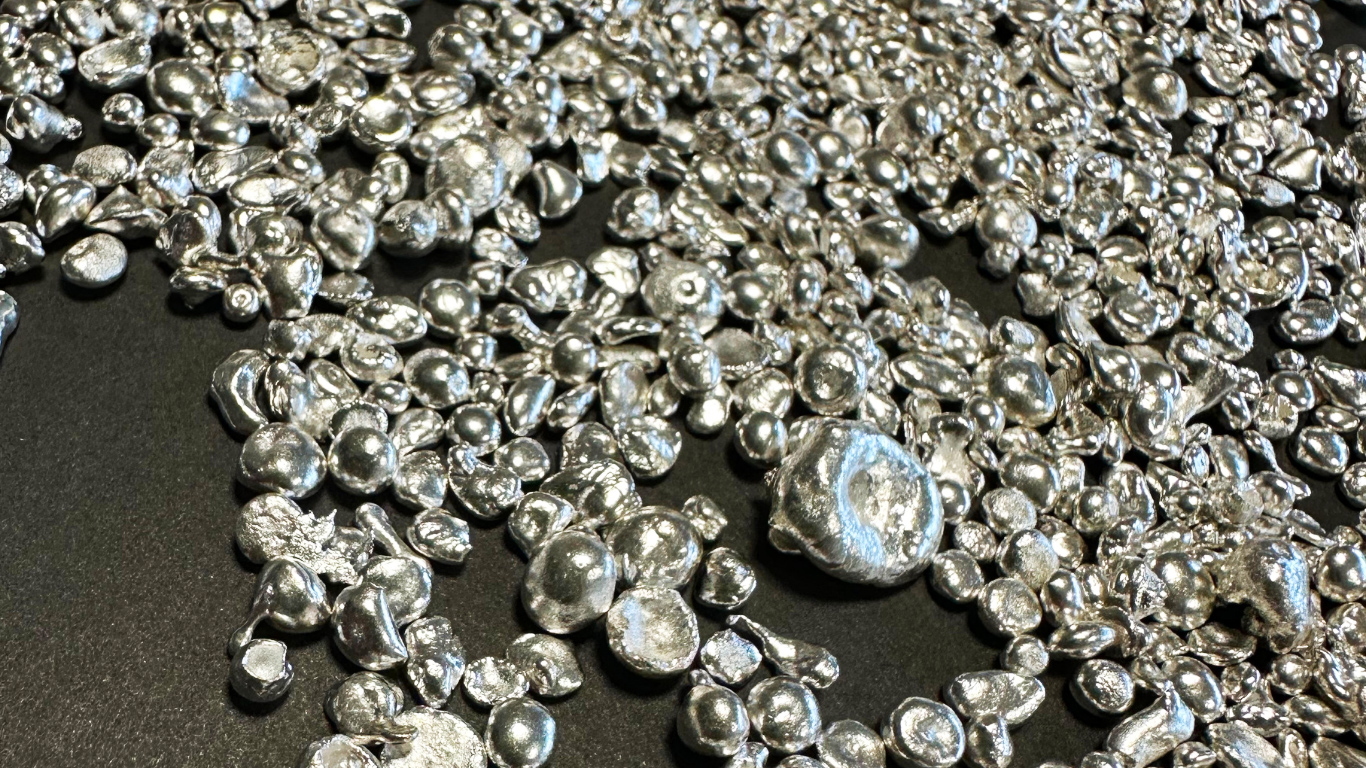
The recovery process is carried out ensuring 100% recycling of useful materials. Upon completion, we issue:
- processing and recovery reports;
- destruction certifications where required and possible (e.g., the fourth copy of the waste identification form FIR to certify completed treatment).
This working approach fully embraces the philosophy of “urban mining”, namely the recovery of valuable resources from waste, offering a sustainable alternative to traditional mining extraction, giving new life to materials otherwise destined for disposal.
We recover a wide range of materials from various operational sectors, from which reusable precious and transition metals can be extracted, for example:
Exhausted galvanic solutions and baths from surface treatment
gold plating, silver plating, nickel plating, copper plating, and palladium plating solutions;
Sludges and dusts from demetallization and wire drawing
containing recoverable metals (Cu, Ni, Zn)
Washing liquids, pickling baths containing contaminants
(solvents, oils, cyanides)
Galvanic scraps and waste
(such as: frames, wires, plated components);
Eyeglass frames, costume jewelry scraps, or fashion accessories
based on copper/brass alloy plated with precious metals. For warehouse items that are no longer marketable, we also perform fiscal destructions.
Industrial catalysts on ceramic or activated carbon support containing precious and transition metals derived from chemical, petrochemical, and pharmaceutical processes
They come in the form of spheres, pellets, briquettes, powders, and sludges, and contain significant percentages of the following metal oxides: nickel, molybdenum, vanadium, cobalt, copper, zinc, titanium, tungsten, palladium, and iron. We also treat SCR MODULE catalysts in honeycomb or plate form (denox catalysts);
Expired radiographic (X-ray) and NDT films
from the hospital, film, or industrial non-destructive testing sectors. We issue the necessary documentation certifying completed recovery (fourth copy FIR) and the declaration of destruction of sensitive data;
Exhausted developing, fixing, bleaching, and digital printing baths
Components removed from WEEE
from the electronics sector: connectors, PCB printed circuit boards (for industrial, telecommunications, military, medical applications), PC/notebook motherboards, graphics/audio cards, RAM memory, ceramic and plastic CPU processors, hard drives;
Silver oxide button cell batteries.
Renewable energy recovery
Recovery and recycling of photovoltaic panels: the increasing use of solar energy has led in recent years to an ever-wider spread of photovoltaic systems. Over time, however, many modules reach the end of their lifecycle or are replaced as they become technologically obsolete.
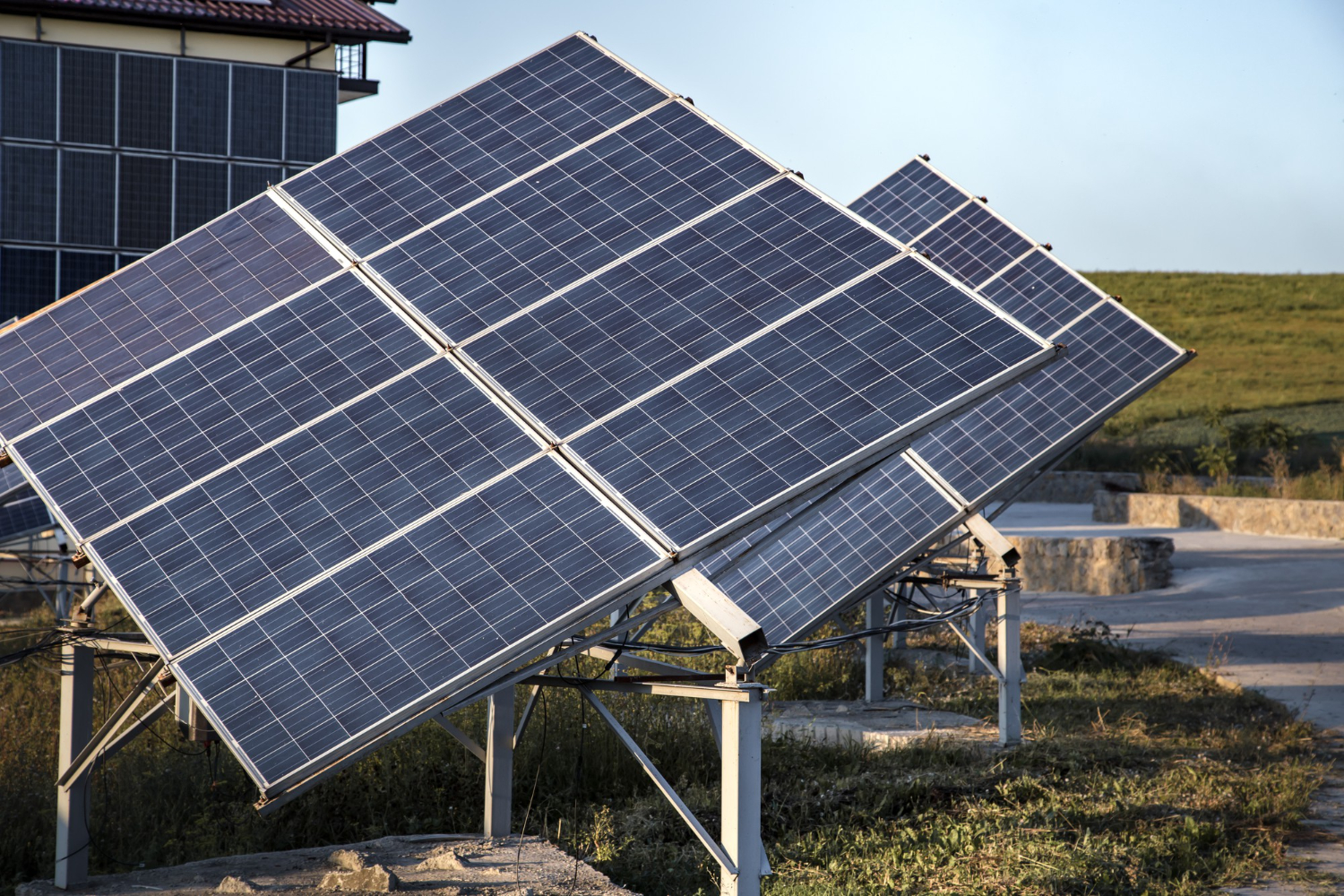
Through treatment processes, we are able to recycle and recover certain materials from photovoltaic panels, transforming them into new resources for industry, contributing to the development of a production model based on the circular economy.
Among the main recoverable materials of interest to us are:
– silicon, used in photovoltaic cells
– conductive metals, such as copper and silver
The recycling of photovoltaic panels allows for the recovery of a significant percentage of these materials, reducing the amount of waste destined for final disposal and limiting the extraction of new raw materials, in line with our urban mining philosophy.