In the world of industrial waste management, regulatory compliance is the cornerstone of corporate safety. Often, however, there is confusion between two key documents: the classification analysis—or test report—and the safety data sheet (SDS), sometimes referred to as the “approval sheet.”
Although both are indispensable tools, they have profoundly different purposes, contents, and legal responsibilities. In this article, our experts from the technical and logistics department at Darsa S.r.l., will explain why they cannot be confused with one another and how to use them correctly.
1. Classification Analysis: A “Snapshot” of Waste
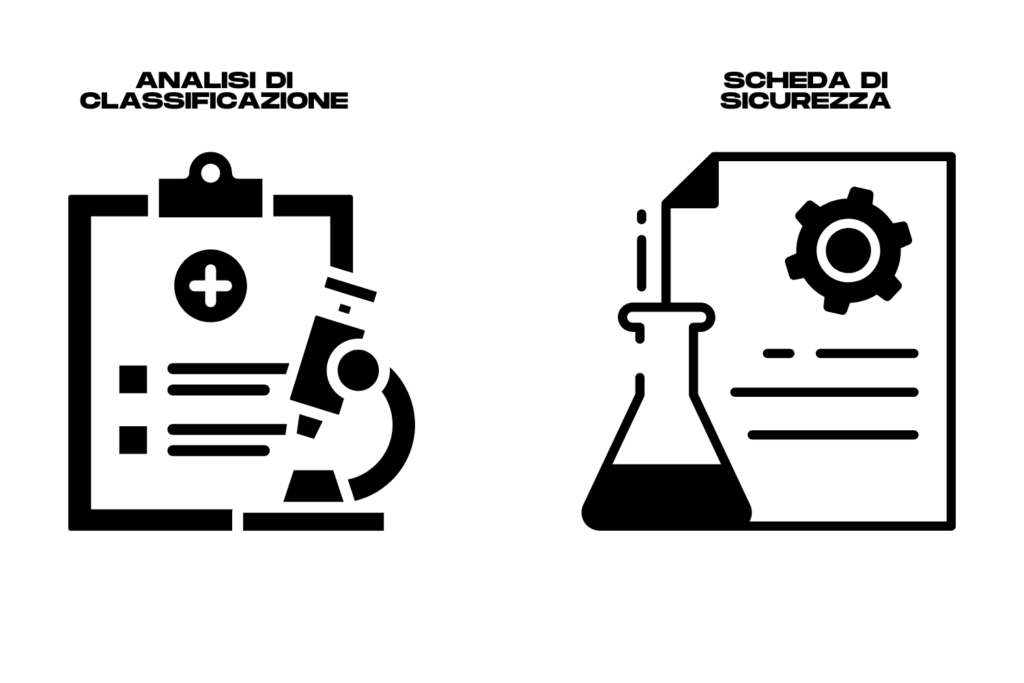
A chemical classification analysis is the document that determines the actual identity of the waste at the time it is generated. It is a “snapshot” of the waste prepared by an accredited laboratory.
- What it’s used for: It is essential for correctly assigning the EER Code (European Waste List) and to determine whether the waste is hazardous or non-hazardous by checking the hazard classes (HP).
- Why it is necessary: The law (Legislative Decree 152/06) stipulates that the responsibility for proper classification rests entirely with the waste generator. Without an up-to-date analysis, the generator risks heavy penalties, including criminal ones.
2. The Safety Data Sheet (SDS): The Product Profile
The Safety Data Sheet is a technical document prepared by the manufacturer of a chemical substance or mixture. It is intended to inform the user about the hazards of the “new” product and the preventive measures to be taken during use, storage, and transport.
- What this indicates: Chemical and physical properties, health hazards, first aid measures, and fire safety procedures.
- Waste Limits: The SDS applies to the product as it leaves the factory. Once that product enters the production cycle and becomes a waste, its characteristics may change drastically due to contamination, reactions, or mixing with other residues.
Feature | Safety Data Sheet (SDS) | Classification Analysis |
Subject | The (New) Commercial Product | Waste (process residue) |
Who prepares it | The manufacturer, through the supplier of the product/material | A chemical laboratory commissioned by the waste generator |
Purpose | Worker Protection and Proper Use and Disposal | Proper Disposal/Recovery and Legal Compliance |
Validity | As long as the product’s formula doesn’t change | It must be conducted periodically (usually every 6 or 12 months, or when the process changes) |
3. The Type Approval Certificate: The Bridge to Installation
At Darsa S.r.l., when we refer to “approval,” we mean the process by which our facility accepts your waste. To complete the approval process, the original product’s safety data sheet is a useful resource, but it almost never replaces chemical analysis.
The analysis provides objective evidence that the waste complies with the acceptance limits of the receiving facility and ensures that transportation takes place in complete safety (in accordance with ADR regulations, if applicable).
The value of recovery comes from knowledge
Mixing up these documents is not just a technical error; it can compromise the security of the supply chain. An incorrect EER code or a failure to identify a hazard characteristic (such as environmental hazard or flammability) can lead to shipments being held up or to objections from regulatory agencies.
Darsa S.r.l. supports its clients not only in the physical management of waste but also by providing the technical consulting necessary for proper classification. Transforming waste into a resource based on a solid foundation of documentation: this is, for us, the value of recovery.
Do you have questions about how to classify your hazardous waste? Contact our technical and sales department for personalized advice.